
Chinch Bugs 101: Spotting Florida's Most Common Lawn Pest Early
July 9, 2026
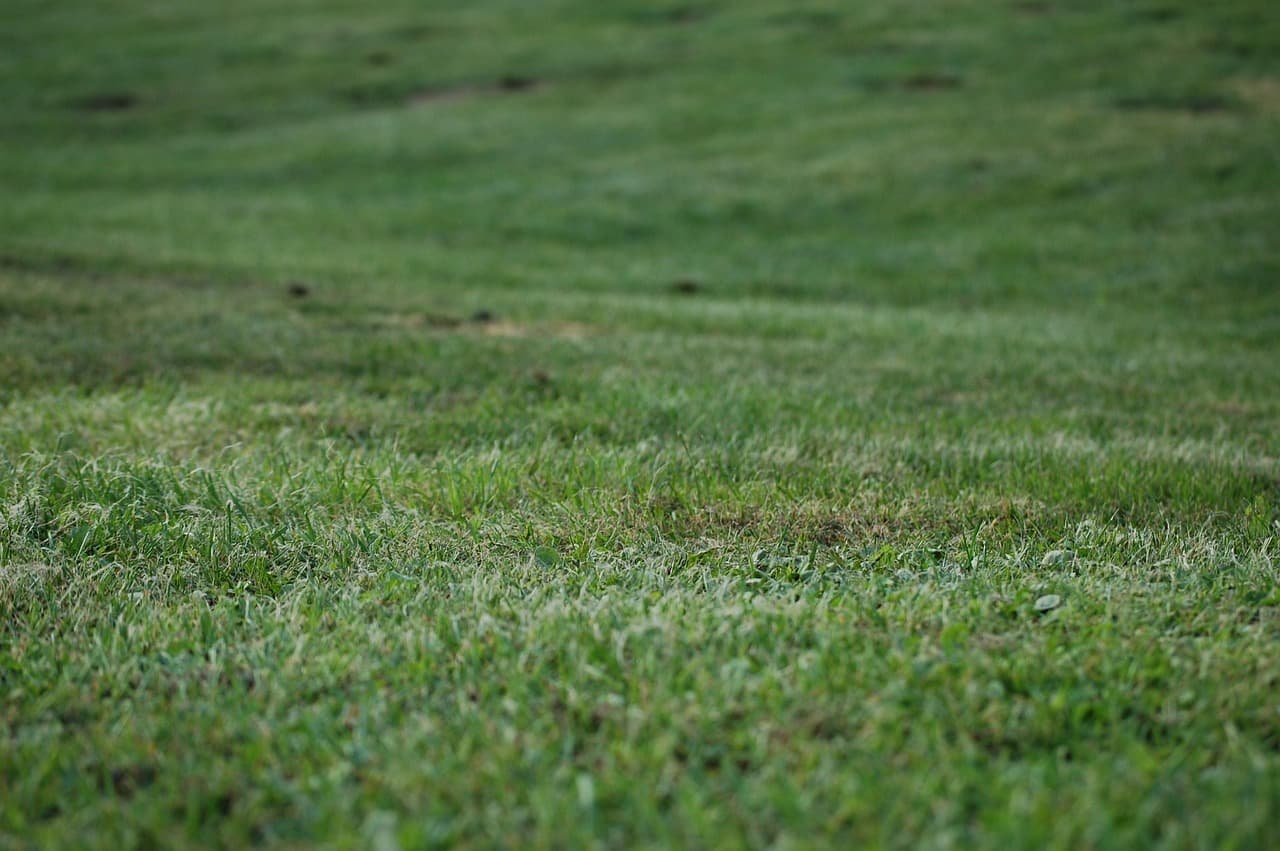
If you've ever seen a patch of St. Augustine grass turn yellow, then brown, then die out completely within a couple of weeks, especially during the hottest part of summer, there's a good chance chinch bugs were involved. They're the single most common insect problem in Florida lawns, and catching them early makes a huge difference in how much damage they do.
What chinch bug damage looks like
Chinch bug damage usually starts as small patches of yellowing grass that don't respond to extra water the way drought stress would. Over a week or two, those patches turn brown and the grass dies outright, and the damaged area tends to spread outward from the edges rather than staying contained. It's easy to mistake this for drought stress or disease at first, which is exactly why it often goes unnoticed until it's covered a large section of yard.
Where to look first
Chinch bugs prefer hot, dry, sunny spots. They're especially drawn to areas near sidewalks, driveways, and streets where the pavement holds heat and reflects sunlight onto the nearby grass. If you're checking your yard for early signs, those edge zones are the smartest place to start, well before you'd expect to see damage in the shadier middle of the lawn.
A simple way to check
One low-effort way homeowners check for chinch bugs is to look closely at the grass right at the edge of a yellowing patch, parting the blades near the soil line, where the insects tend to gather. They're small, only a few millimeters long, dark with white markings on their wings, and they move quickly when disturbed. If you see several clustered together at the base of the grass in a suspicious patch, that's a strong sign.
Why chinch bugs love a stressed lawn
Chinch bugs are opportunists. A lawn that's already a little stressed, from drought, from being cut too short, or from compacted soil, is far more attractive to them than a thick, healthy one. This is part of why so many of the basics (mowing height, watering deeply, not letting the grass get scalped) matter beyond just how the yard looks. A well-maintained lawn isn't immune to chinch bugs, but it's noticeably more resistant, and any damage tends to be smaller and easier to recover from.
What to do if you spot them early
- Note exactly where the damage is starting, usually a sunny edge near pavement
- Avoid mowing too short or skipping water in that area while you sort it out
- Keep an eye on whether the patch is spreading day to day
- If it's spreading quickly or covering a significant area, it's time to call in a professional rather than waiting to see what happens
Chinch bug treatment usually involves a targeted insecticide application, and getting the timing and product right matters. This is one area where a professional with experience treating Florida lawns can save you from repeat problems. We won't walk through DIY chemical treatment steps here; if you suspect chinch bugs are established rather than just a possibility, it's worth getting a second set of eyes on it quickly, since damage can spread fast in peak summer heat.
The bigger picture
Chinch bugs are common enough in Florida that most lawns will deal with them at some point. The homeowners who catch it early, usually because they're looking at their yard regularly rather than only noticing when a huge brown patch shows up, are the ones who avoid having to replace large sections of dead grass.
DemoMowCo crews keep an eye out for early pest damage on every visit as part of the regular mow, so problems like this tend to get flagged before they spread. Reach out to get a consistent set of eyes on your yard.